
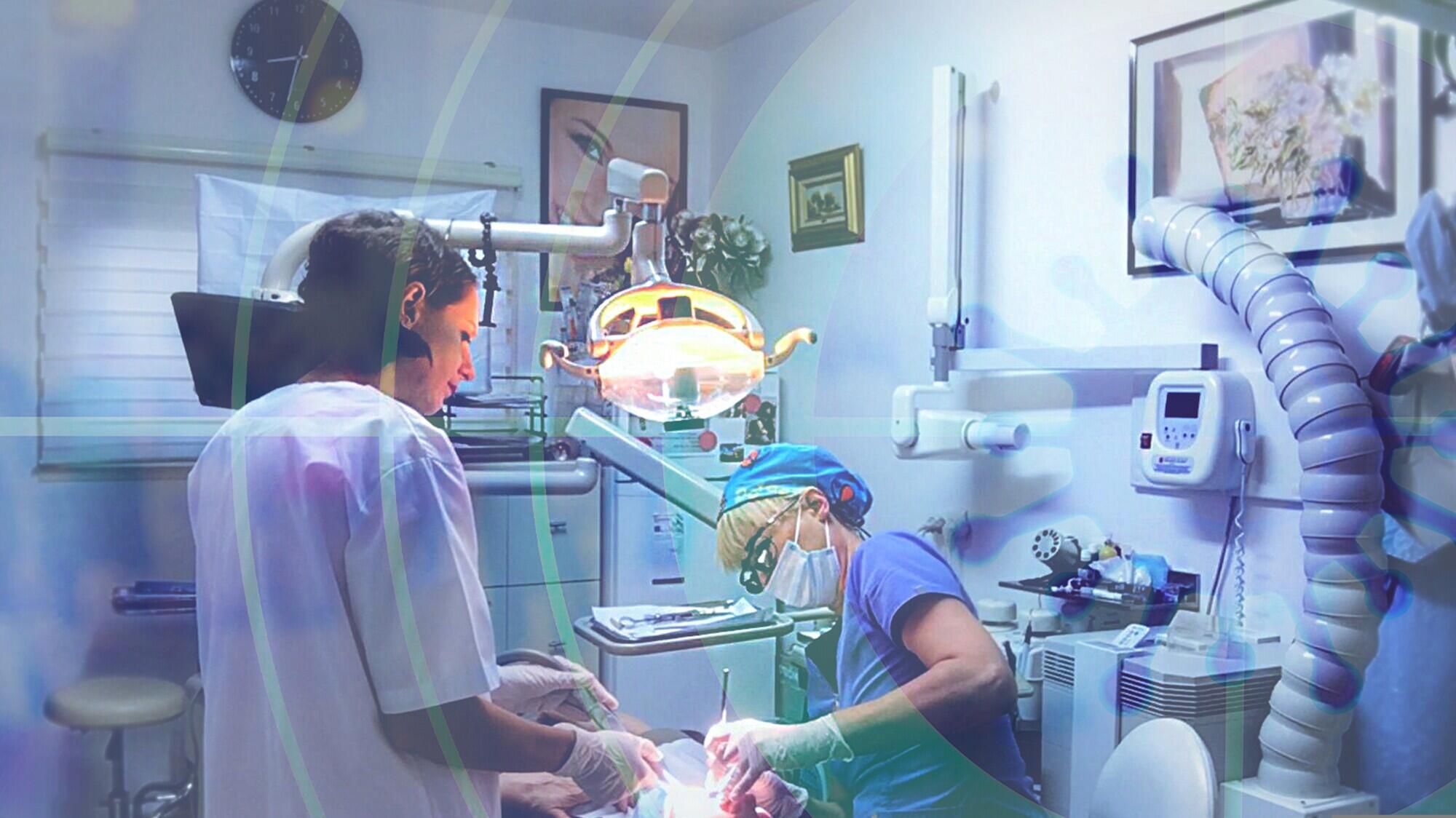
Diabetes and dental implants can absolutely be compatible. However, success depends on how well your blood sugar is managed before, during, and after the procedure. Patients with controlled diabetes have high implant success rates when working with an experienced dental team.
According to the CDC, nearly 40.1 million Americans are currently living with diabetes. Among these patients, there are individuals dealing with tooth loss, gum disease, and challenging wound healing. These people may be unsure whether dental implants are even an option for them.
The good news is that well-controlled diabetic patients can undergo implant procedures safely and successfully. At Garden Springs Dental in Lexington, we handle complex diabetics and dental care cases in Lexington, KY, with expertise. We always prioritize your health and safety during procedures.
Are Dental Implants Ok for Diabetics?
Yes, for most patients with managed diabetes, dental implants are a safe and effective solution for tooth loss. According to ScienceDirect, diabetic patients with well-controlled HbA1c levels showed implant success rates comparable to non-diabetic patients.
The critical factor is blood glucose control. When blood sugar is consistently elevated, the body’s ability to heal slows, and the risk of infection rises. As a result, the process by which the implant fuses with the jawbone becomes less predictable.
However, managing oral health with diabetes before your implant procedure is the foundation of a successful outcome. Your dental team and your primary care physician should be aligned before any surgery begins.
Who Cannot Do Dental Implants?
Not every patient is an immediate candidate for implants. Certain health conditions require additional evaluation or treatment before surgery can proceed safely. Here are the most common factors that can affect eligibility.
Uncontrolled Diabetes
If your HbA1c is consistently above 8%, your implant timeline may need to be delayed until better control is achieved. Uncontrolled blood sugar impairs healing and increases infection risk following diabetes and oral surgery.
Cancer
Patients undergoing radiation therapy to the head and neck region may not be good candidates for dental implants. They often have compromised bone health that affects implant integration.
Autoimmune Diseases
Certain autoimmune conditions affect how the body responds to foreign materials, including implant hardware. Your dentist will review your full medical history before making a recommendation.
Smoking
Smoking reduces blood flow to the gums and bone, directly impairing healing after implant surgery. Patients who smoke are counseled to quit before and after the procedure.
Gum and Periodontal Disease
Active gum disease must be treated and resolved before implant placement. Placing an implant in an infected environment increases the chance of failure.
Insufficient Jawbone Density
Implants fuse to the jawbone. If bone density is too low, a bone graft may be required before implant surgery can proceed to improve your smile.
What Is the Timeline for Diabetes and Dental Implants?
The implant process takes several months from start to finish. For diabetic patients, the timeline may be slightly changed to allow for additional healing time between stages. Here is what you can expect:
- Initial consultation and assessment: Blood sugar levels, bone density, and overall oral health are evaluated.
- Treatment of any existing conditions: Gum disease, decay, or extractions are addressed first before implant placement begins.
- Implant placement surgery: The titanium post is surgically placed into the jawbone under local anesthesia.
- Osseointegration period: The implant fuses with the bone over three to six months; diabetic patients may be given extra healing time.
- Abutment placement: Once the implant is secure, the connector piece is attached.
- Crown placement: The final tooth restoration is fitted and adjusted for comfort and bite.
The total process can take about six to twelve months. For diabetic patients, patience during the osseointegration stage is especially important. Rushing this phase is one of the most common causes of implant complications.
Your Garden Springs Dental team will monitor your healing at every stage of the dental procedure. They will also adjust the timeline based on your body’s response.
Why Does the Body Reject Dental Implants?
Implant rejection happens for several reasons. These include:
- Overloading
- Infection at the implant site
- Failed osseointegration
- Nerve or tissue damage
- Deposits of titanium alloy particles from the implant in surrounding tissues
Although it’s rare, your body may reject dental implants due to an allergic reaction to titanium. The diabetes impact on teeth may increase your chances of rejection. Proper screening, careful surgical technique, and diligent post-procedure care dramatically reduce these risks.
Frequently Asked Questions
How Does a Dentist Remove a Failed Implant?
A failed implant is removed through a procedure called explantation. It’s simpler than the original placement surgery. The dentist uses specialized tools to loosen and remove the implant from the bone with minimal disruption to the surrounding tissue.
After removal, the area is cleaned and allowed to heal. Depending on the cause of failure and the condition of the remaining bone, a new implant may be placed after adequate recovery time. For diabetic patients, this recovery period may be longer to ensure blood sugar is optimized before attempting a second placement.
Does an Implant Feel Like a Normal Tooth?
Yes, most patients report that a properly placed and healed implant feels nearly identical to a natural tooth. It’s anchored securely in the jawbone, so there is no movement or slipping as you may experience with dentures.
Dental procedures for diabetics have advanced considerably, making implants look more realistic. You can eat, speak, and smile with the same confidence you had before tooth loss.
Do You Brush Dental Implants Like Regular Teeth?
Yes, you should brush them. Managing oral health with diabetes after implant placement requires the same brushing and flossing routine you would use for natural teeth. Your dentist may also recommend an antimicrobial rinse to reduce bacterial buildup around the implant site.
Schedule Your Diabetes and Dental Implants Consultation in Lexington, KY
Managing diabetes and dental implants successfully comes down to preparation and blood sugar control. You also need to work with a dental health professional who understands your unique health needs.
At Garden Springs Dental, we’re built on three decades of combined clinical experience in Lexington, KY. Our three University of Kentucky-trained doctors have the technique and technology to ensure your long-term dental health is protected.
Contact us today and let our team evaluate your candidacy for dental implants.